
by Williams Dennis

In a small, dimly lit room in Ibadan, Tolu stared at the blinking cursor on her screen. The balance on her CBEX dashboard, once brimming with promises of abundance, now read ₦0.00. A tight knot formed in her chest. Her rent, her mother’s medication, and the loan she took from her cooperative all depended on that investment. She refreshed the page. Again. And again. Nothing changed.
Across Nigeria, thousands of people—market traders, civil servants, tech enthusiasts, single parents, fresh graduates—were doing the same thing. Staring into the void of a website that once sold them a dream but now returned nothing.
CBEX had vanished.
The Rise of the Phantom Giant

CBEX didn’t start with the flamboyance of other Ponzi schemes. It crept in, cloaked in credibility. The name alone—CBEX, supposedly the “China Beijing Equity Exchange”—evoked institutional weight. A quick Google search would lead the average investor to a real entity in China. But what most didn’t realize was that the Nigerian CBEX had no actual ties to the legitimate government-backed Chinese institution. It was smoke and mirrors.
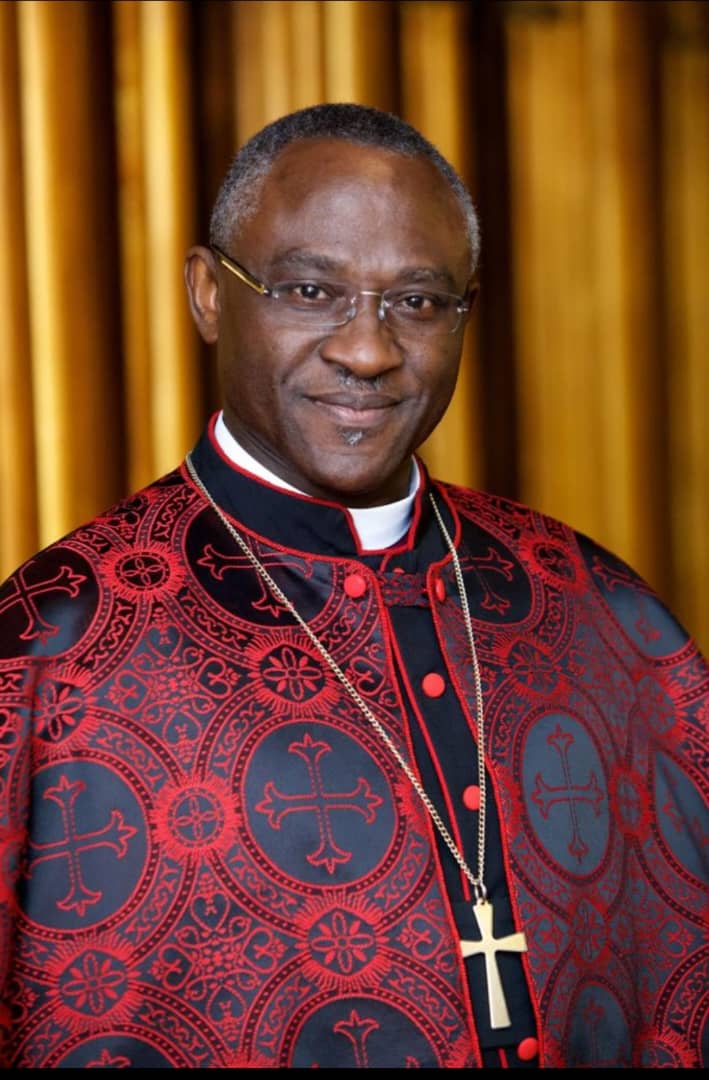
It claimed Canadian headquarters. It boasted international partnerships. And it had a spokesperson—Yahaya Ibrahim—whose calm demeanor and crisp suits lent a false sense of order. His image circulated across WhatsApp groups and Instagram reels, speaking of financial freedom, of blockchain wealth, of “lifting Africa out of poverty through digital innovation.”
But beneath the veneer, CBEX operated with the same playbook as so many before it: recruit, invest, lock in, promise outrageous returns.The offer? A 100% return on capital within 30 days.All you had to do was bring others in.
Twelve others, in fact. And then you could withdraw your funds.If not, well, the clock kept ticking. Your money remained “locked” for 45 days. Early withdrawal? Penalties. No referrals? No payout. And still, people joined—by the thousands.—Hope, Fed by Desperation

It wasn’t greed that drew most people in—it was desperation. The economy was hemorrhaging. Inflation was eating away at savings. Young Nigerians, tired of waiting for structural change, clung to anything that looked like a ladder out of hardship.
CBEX presented itself as more than just an investment platform. It was a movement. It promised not just money, but transformation. It was tech, innovation, and prosperity wrapped in a digital dashboard.For Tolu, it was the difference between surviving and sinking. For Hassan, a schoolteacher in Zamfara, it was the only way he could raise enough money to pay for his daughter’s tuition. For Adaobi in Port Harcourt, it meant finally starting her baking business.

Each story was different. But the thread was the same: hope.The Unraveling
The collapse wasn’t slow. It was brutal.
On a quiet Tuesday in April, the first red flag appeared. Withdrawals were “under review.” Then came the silence. Social media pages stopped posting. The customer care lines rang endlessly. And then—balance wipes.Accounts showed zeros. Complaints surged.
In Ibadan, a mob of angry investors stormed what they believed to be CBEX’s local office. Chairs were flung. Windows shattered. The police arrived, followed by officers from Operation Amotekun. The building stood quiet afterward—its walls marked by frustration and betrayal.
Yahaya Ibrahim? Nowhere to be found.—The Numbers GameAt the height of its popularity, CBEX reportedly attracted over ₦1.3 trillion in investments. That number is likely inflated—experts now estimate closer to $12 million in actual losses—but the emotional weight far exceeds any numeric figure.What CBEX took was more than money. It stripped away trust. It weaponized hope.Regulatory agencies scrambled to respond. The Securities and Exchange Commission admitted delays in issuing crypto trading licenses, citing lapses in due diligence.
But to the thousands who had lost everything, the response felt like too little, too late.—A Lesson Written in PainNigeria has seen scams before—MMM, Ultimate Cycler, Twinkas. But CBEX stung deeper because it wore the language of legitimacy. It dressed itself in the modern garments of digital finance—blockchain, global partnerships, artificial intelligence.And it preyed on a generation hungry for change.In a café in Lagos, Samuel—a UX designer—reflected, “They didn’t just take my money. They made me feel stupid for believing.
That’s the worst part.”The CBEX story is not just one of fraud. It is a mirror held up to our collective anxieties and dreams. It is about the consequences of unchecked digital evangelism, the gap between regulators and real people, and the urgent need for financial literacy in a rapidly digitizing world.—
In the Silence AfterThe CBEX website no longer loads.But its echoes remain—in WhatsApp groups filled with grief, in communities organizing to trace their lost funds, in young Nigerians who now eye every opportunity with caution.And in Tolu’s apartment, where the light from her screen has dimmed, and her dreams are now filed under lessons learned the hard way.Yet still, she wakes up. She applies for jobs. She starts again.Because if CBEX taught us anything, it’s this: even after the deepest betrayal, the Nigerian spirit persists—wounded, wiser, but unwilling to give up.
About The Author